
5 Best Places to Find a Job Online as a Student or Recent Graduate
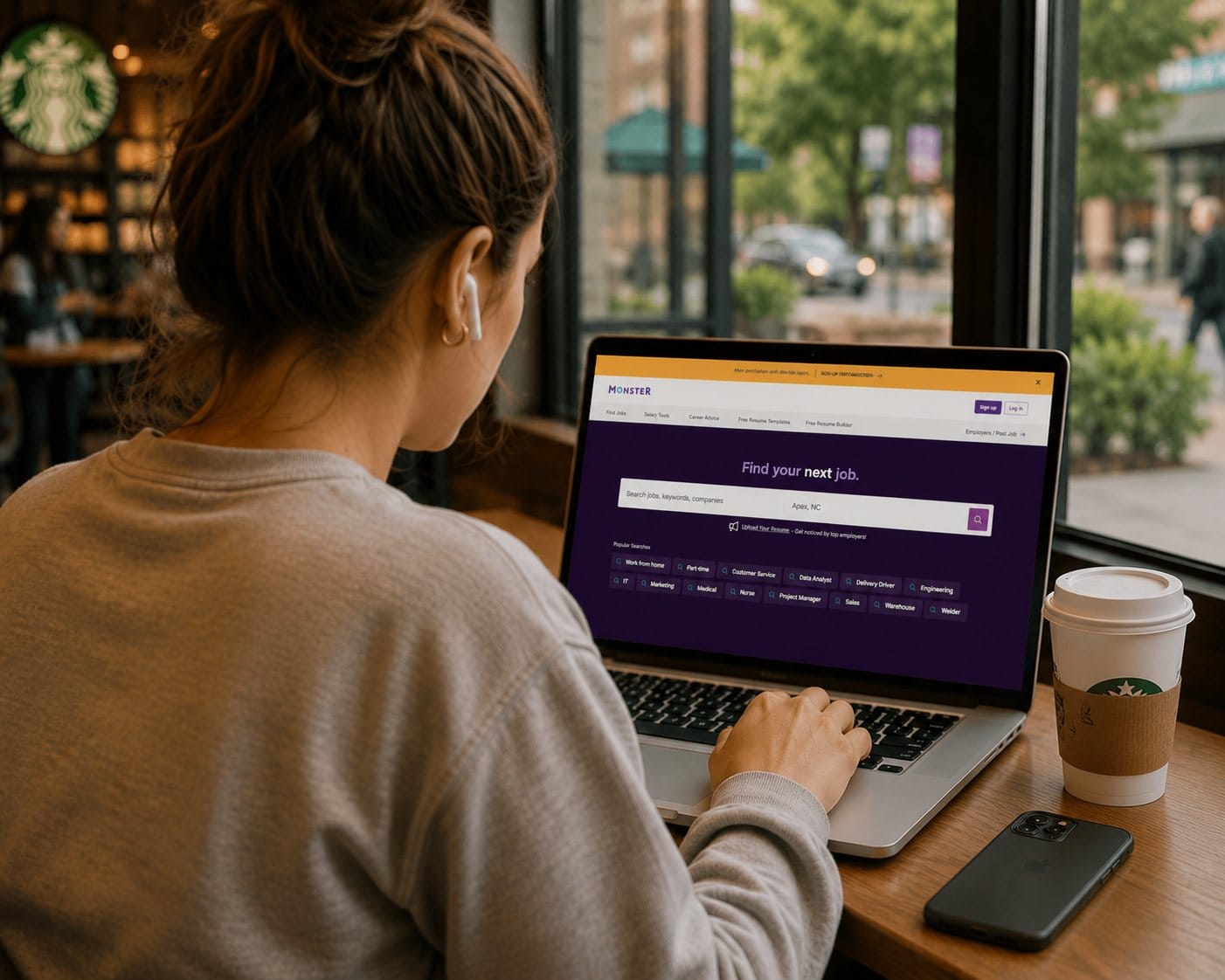
Most students apply to dozens of jobs online and hear nothing back. The reason is rarely the applicant. More often it is the platform. Different sites cater to different stages of a career, different industries, and different hiring processes. The five platforms below are the ones that consistently return opportunities for students, recent graduates, and early-career professionals.
1. Handshake
Handshake is where most college and university career centers point students first. More than 1,500 schools use it as their official career services platform, and employers post internships and entry-level roles specifically to reach that audience. A profile tied to a school typically unlocks access to employers who are explicitly recruiting at that institution.
What makes Handshake different from other boards is intent. When a company posts there, it is usually because they want students and recent graduates. The applicant pool skews younger, less experienced, and more locally relevant, which means a well-prepared student has a real shot of being seen.
Best for: First internships, campus recruiting, first job out of school.
2. LinkedIn
LinkedIn is not just a job board. It is a professional network, a referral engine, and often the first place a hiring manager will look after your name crosses their desk. For students and new graduates, two things matter most on LinkedIn:
- A complete profile with a clear professional headshot, a keyword-aware headline, and a detailed experience section that quantifies impact wherever possible
- Active engagement with target companies, recruiters, and alumni from your school
Many roles on LinkedIn get filled through referrals and recruiter outreach before applications ever close. The students who stand out are the ones treating LinkedIn as a daily touchpoint, not a one-time setup.
Best for: Networking into roles, recruiter sourcing, visibility to hiring managers.
3. Indeed
Indeed aggregates listings from thousands of company career pages, which makes it one of the broadest places to search. The volume is both its strength and its drawback. The strength is that every type of role is represented. The drawback is that the applicant pool for any one listing can be enormous.
Students who get traction on Indeed treat it like a map, not a submission form. Use Indeed to find companies hiring in a region or industry, then apply directly through that company's website whenever possible. A direct application often routes through a less crowded funnel than the Indeed easy-apply queue.
Best for: Discovering companies hiring in a region, benchmarking job titles and salary ranges.
4. Glassdoor
Glassdoor is a job board, but its real value for new candidates is the layer underneath the listings. Employee reviews, interview question libraries, and salary ranges sit alongside every job post. Preparing for an interview at a company found through Glassdoor is far easier because so much of the context lives on the same page.
Treat the reviews with some skepticism. The people most likely to leave reviews are usually at the extremes, either happiest or most frustrated. Patterns across many reviews, however, are usually fair signals.
Best for: Research before an interview, understanding culture, pay transparency.
5. ZipRecruiter
ZipRecruiter leans into recruiter and employer matching. Its ranking pushes applications toward hiring managers who have shown interest in similar profiles, which can shorten the gap between apply and response. The platform is strongest for roles outside the Fortune 500 and often surfaces smaller companies that other boards miss.
For students and recent graduates, ZipRecruiter is best used alongside LinkedIn and Handshake rather than as a primary source. Smaller employers tend to post there, and smaller employers often give new graduates more responsibility earlier in their careers.
Best for: Mid-market and small-business roles, faster recruiter response, local opportunities.
A note on strategy
Posting the same resume on every board at once is the fastest way to get discouraged. Pick two or three of these platforms that match your goals, create thoughtful profiles, and treat each application as a focused effort. Online job boards are tools. The quality of a tool matters less than the quality of its use.

Deanne Koehn
Founder of Professional Compass. Twenty years inside hiring at Amazon, Netflix, Disney, and DreamWorks.